Best finance apps download 2026 options have exploded across digital marketplaces, creating both opportunity and confusion for consumers seeking to optimize their financial lives. The global fintech market now commands $460.76 billion in value for 2026, with projections indicating growth to $1.76 trillion by 2034 at an 18.20% compound annual growth rate . This expansion reflects a fundamental shift in how individuals interact with money, moving from branch visits and paper statements to real-time digital dashboards that aggregate every aspect of personal finance.
The challenge facing modern consumers is not a lack of options, but rather the difficulty of identifying which applications genuinely deliver value versus those that merely collect subscription fees. With over 78% of global internet users now engaging with at least one fintech service monthly, the stakes for choosing the right platform have never been higher . This guide cuts through the noise to present rigorously evaluated options across budgeting, investing, cryptocurrency, banking, and specialized financial categories, with specific attention to security protocols, pricing transparency, and real-world functionality.
Key Takeaways:
- Monarch Money leads the 2026 budgeting category with dual-login household support and AI-assisted forecasting at $99/year
- Betterment and Wealthfront dominate robo-advisory services with 0.25% management fees and automated tax-loss harvesting
- Coinbase and Binance remain the primary cryptocurrency exchange downloads, though security practices vary significantly between platforms
- SOC 2 compliance and 256-bit encryption are non-negotiable security standards when evaluating any finance app download
- Open banking regulations finalized in 2024-2026 now mandate API access, enabling seamless data sharing between banks and third-party apps
The State of Finance Apps in 2026 | Market Overview and Trends
The fintech app sector is experiencing unprecedented expansion driven by three converging forces: regulatory mandates enabling data portability, artificial intelligence integration, and consumer demand for unified financial command centers. Understanding these macro trends helps users select platforms positioned for longevity rather than obsolescence.
Market Growth and Regional Dominance
North America currently maintains 32.30% of the global fintech market share, though Asia-Pacific regions demonstrate the fastest growth trajectories . The financial app market specifically, valued at $2.99 billion in 2024, is projected to reach $12.47 billion by 2034 with a 15.35% CAGR . These figures indicate not merely incremental adoption but a fundamental restructuring of financial service delivery.
The United States leads in absolute fintech adoption with 74% of consumers using fintech apps for payments, lending, or investing as of early 2026 . Millennial demographics show particularly high engagement at 91% adoption rates, while 68% of Gen Z consumers now prefer fintech companies over traditional banking institutions for essential services . This generational shift suggests that finance apps downloaded today will likely serve as primary financial interfaces for decades.
Technology Trends Reshaping 2026
Six major technological developments are defining the 2026 fintech landscape . AI agents now automate complex banking operations previously requiring human intervention, from fraud detection to personalized financial coaching. Embedded finance integration allows non-financial applications to offer payment processing, lending, and insurance services directly within their interfaces. Tokenized assets and real-world asset tokenization are creating new investment categories with fractional ownership capabilities. Real-time settlement infrastructure is replacing traditional batch processing, enabling instantaneous fund transfers around the clock. Regulatory-driven innovation continues as governments establish frameworks for open banking and consumer data rights. Personalization engines now deliver individualized financial products based on behavioral data rather than demographic assumptions.
The Open Banking Revolution
Open banking regulations finalized across multiple jurisdictions in 2024-2026 have fundamentally altered how finance apps access data . In the United States, Section 1033 of the Dodd-Frank Act now mandates that financial institutions provide consumers with API access to their transaction data. The European Union’s PSD2 framework requires banks to share account information with licensed third-party providers upon consumer consent. Canada is implementing Phase 1 of Consumer-Driven Banking in early 2026, with Phase 2 following in mid-2027 .
These regulations enable apps like Monarch Money and YNAB to maintain real-time synchronization with bank accounts without screen scraping or manual CSV uploads. The technical standardization ensures that security protocols remain consistent across institutions, reducing the risk of data breaches while improving user experience.
Best Budgeting Apps Download 2026
Budgeting applications represent the most competitive segment of personal finance software, with distinct philosophical approaches separating the major players. The 2026 market has consolidated around three primary methodologies: zero-based budgeting, envelope systems, and flexible forecasting models.
Premium Budgeting Solutions
Monarch Money has emerged as the definitive modern financial command center for 2026 . Founded by a former Mint product manager, the platform distinguishes itself through household collaboration features that allow two logins per subscription at no additional cost. The interface presents a genuine balance sheet showing budgeted versus actual spending across customizable categories, with forecasting capabilities projecting cash flow by month or year.
Monarch offers dual budgeting methodologies: Flex budgeting provides a high-level view grouping expenses into fixed, non-monthly recurring, and flexible categories, while category budgeting enables granular spending limits for specific line items . Recent 2026 updates include an AI assistant for natural language queries, weekly spending recaps, equity compensation tracking, and enhanced goal-setting tools. The platform connects through multiple aggregation networks including Plaid, MX, and Finicity, with pricing set at $99 annually or $14.99 monthly .
YNAB (You Need A Budget) maintains its position as the gold standard for zero-based budgeting discipline . The application operates on a philosophy of intentional money assignment, requiring users to allocate every dollar to specific categories before spending occurs. This approach, analogous to digital envelope budgeting, forces proactive financial decision-making rather than reactive expense tracking.
The platform excels for users committed to debt elimination or aggressive savings goals, offering extensive educational resources and community support. YNAB connects to European and U.S. banking institutions, with subscription pricing at $109 annually or $14.99 monthly following a 34-day free trial . The learning curve proves steeper than competitors, but users report lasting behavioral changes unmatched by passive tracking applications.
Copilot Money serves as the premier option for Apple ecosystem users seeking AI-powered automation . The application leverages machine learning to categorize transactions with accuracy rates exceeding 95%, marking new entries for review to catch fraudulent charges and maintain spending awareness. The interface design receives consistent praise for visual clarity, with standalone Mac application availability rare in the budgeting category.
Copilot tracks investments, monitors subscriptions, and integrates with Amazon, Venmo, and Zillow for comprehensive net worth calculation. However, the platform remains limited to iOS and Mac devices, excluding Android and web users entirely. Pricing is competitive with other premium options, though the ecosystem restriction significantly limits addressable market .
Free Budgeting Alternatives
EveryDollar offers a free tier based on Dave Ramsey’s zero-based budgeting methodology . The no-cost version requires manual transaction entry, which paradoxically benefits some users by increasing spending awareness through active engagement. A 2026 relaunch introduced “margin finder” functionality helping users identify discretionary spending reduction opportunities. Premium tiers add bank synchronization and enhanced reporting.
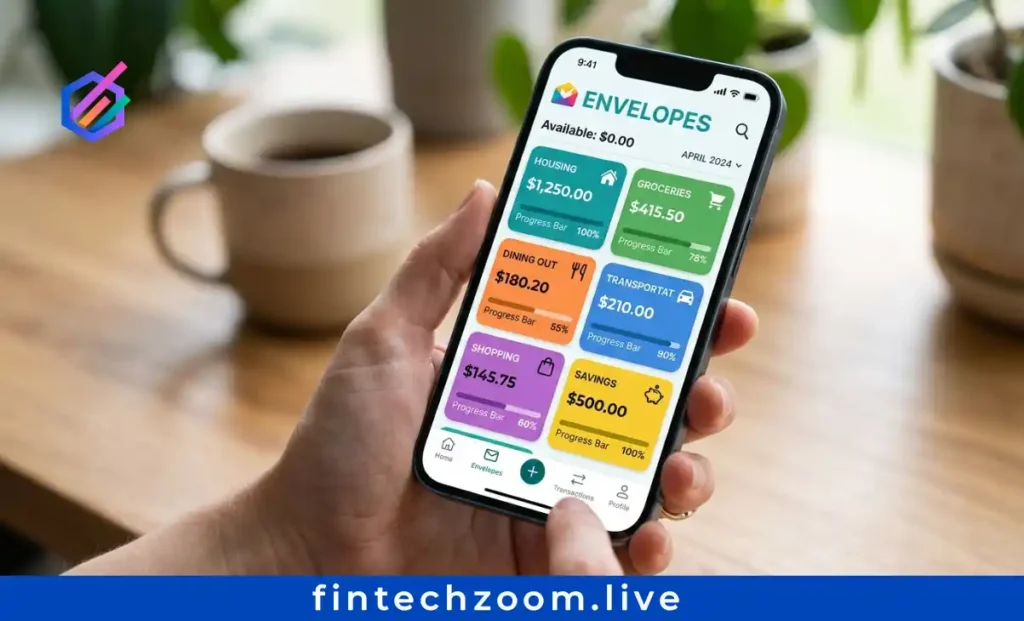
Goodbudget implements digital envelope budgeting with cross-device synchronization for shared household management . The visual approach appeals to users preferring cash-style budgeting without physical envelope maintenance. The free tier accommodates basic tracking needs, while paid upgrades enable unlimited envelopes and account connections.
Honeydue specifically targets couples seeking financial transparency with privacy controls . The application allows partners to share selected account visibility while maintaining individual privacy for personal spending categories. Bill reminders and shared goal tracking address common friction points in joint financial management.
Best Value Selection
Quicken Simplifi delivers exceptional functionality at $5.99 monthly, earning recognition as PCMag’s top-rated all-rounder . Rather than traditional category budgeting, Simplifi employs Spending Plans and Watchlists that adapt to irregular income patterns. The mobile applications demonstrate particular polish, with bank-grade security architecture and intuitive transaction review workflows.
Best Investment and Trading Apps Download 2026
Investment applications have evolved beyond simple brokerage access to become comprehensive wealth management platforms. The 2026 landscape separates into three distinct categories: commission-free trading apps, automated robo-advisors, and portfolio tracking utilities.

Stock Market and ETF Trading Platforms
Robinhood continues dominating the retail trading segment with commission-free stock, ETF, and options trading . The platform’s 2026 updates include enhanced retirement account features with IRA matching programs and expanded fractional share capabilities allowing minimum investments of $1. The interface prioritizes simplicity, though this has drawn criticism for potentially encouraging speculative behavior among inexperienced investors.
eToro differentiates through social trading functionality enabling users to copy experienced investors’ portfolios automatically . The multi-asset platform supports stocks, cryptocurrencies, commodities, and forex within unified accounts. Copy-trading features appeal to beginners seeking exposure to sophisticated strategies without independent research requirements.
Fidelity and Charles Schwab serve serious investors requiring research tools and institutional-grade infrastructure . Both platforms offer zero-commission equity trades while maintaining comprehensive analysis capabilities, retirement planning tools, and human advisor access. Schwab Intelligent Portfolios deserves particular attention for offering automated investing with no management fees, though the service requires $5,000 minimum balances .
Robo-Advisor Applications
Betterment sets the service standard for automated wealth management with management fees ranging from 0.25% to 0.65% depending on service tier . The platform provides automatic rebalancing, tax-loss harvesting, personalized retirement planning, and impact investing portfolio options. Fractional share implementation ensures complete cash deployment without idle balances. Premium tier access ($100,000 minimum) includes unlimited consultations with human financial advisors.
Wealthfront competes aggressively with 0.25% management fees and $500 account minimums . The platform excels in goal-based investing visualization, showing users how current financial decisions impact future outcomes. Unique features include automated bond ladder construction, direct indexing for taxable accounts, and competitive cash management account yields. Commission-free individual stock trading capabilities distinguish Wealthfront from pure robo-advisory competitors.
Empower (formerly Personal Capital) offers free investment tracking alongside optional wealth management services . The retirement calculators and portfolio allocation analysis tools provide institutional-quality insights without subscription costs. Users can synchronize external accounts for unified net worth monitoring while accessing fee analysis tools that detect hidden investment expenses.
Portfolio Tracking Utilities
Sharesight specializes in dividend tracking and tax reporting for active investors . The platform aggregates holdings across multiple brokers to generate consolidated performance analytics and taxable event summaries.
Stock Rover provides research and screening tools for fundamental analysis . Quantitative investors utilize the platform’s filtering capabilities to identify securities meeting specific valuation, growth, or quality criteria.
Yahoo Finance maintains its position as the premier free option for real-time quotes and watchlist management . The application serves casual investors seeking basic price monitoring without advanced analytical requirements.
Best Crypto and Web3 Apps Download 2026
Cryptocurrency applications require heightened security evaluation given the irreversible nature of blockchain transactions and regulatory uncertainty across jurisdictions. The 2026 market has consolidated around established exchanges with proven security track records.
Cryptocurrency Exchanges
Coinbase remains the entry point for most American cryptocurrency investors, offering 200+ digital assets through an interface designed for beginners . The platform maintains strong regulatory compliance and insurance coverage for hot wallet holdings, though fees run higher than competitors. 2026 security enhancements include expanded cold storage protocols and institutional custody solutions.
Binance commands the largest global trading volume with advanced features including futures, margin trading, and staking services . Fee structures undercut competitors significantly, particularly for users holding the native BNB token. However, the platform’s complexity overwhelms newcomers, and regulatory challenges have restricted availability in certain markets including the United States.
Kraken prioritizes security consciousness with proof-of-reserves auditing and comprehensive insurance coverage . The exchange appeals to users willing to sacrifice some convenience for enhanced asset protection, maintaining strong regulatory relationships across operating jurisdictions.
Gemini emphasizes regulatory compliance and security above all other considerations . The New York-based exchange offers fewer cryptocurrencies and higher fees than competitors, but maintains the strongest institutional trust credentials. Gemini Earn enables interest generation on crypto holdings, though users must understand the counterparty risk involved.
Crypto Portfolio Trackers
CoinTracker specializes in tax reporting integration, generating IRS-compliant forms from transaction histories across multiple exchanges . The platform’s cost basis calculation engine handles complex scenarios including airdrops, forks, and DeFi interactions.
Delta synchronizes portfolios across exchanges to provide unified performance monitoring . Price alerts and news aggregation help users respond to market movements without constant exchange login requirements.
DeFi and Web3 Wallets
MetaMask serves as the primary gateway to Ethereum and EVM-compatible blockchain ecosystems . The browser extension and mobile application enable direct interaction with decentralized applications, though users bear full responsibility for private key security.
Phantom has captured the Solana ecosystem with superior user experience design . The wallet’s transaction simulation features help users understand exactly what permissions they grant before signing.
Trust Wallet offers multi-chain mobile wallet functionality supporting dozens of blockchain networks . The acquisition by Binance provides integration advantages while maintaining non-custodial architecture.
Best Banking and Neobank Apps Download 2026
Neobank applications have matured beyond simple checking account alternatives to become comprehensive financial ecosystems. The 2026 differentiation centers on interest rates, fee structures, and integration capabilities.
Digital-First Neobanks
Chase Mobile demonstrates how traditional institutions have closed the user experience gap with digital-native competitors. The application offers best-in-class functionality among legacy banks, with robust mobile check deposit, Zelle integration, and credit score monitoring. JPMorgan’s scale enables feature development velocity matching smaller competitors.
Ally Bank maintains leadership in high-yield savings with competitive APYs and zero fee structures . The digital-only model eliminates branch maintenance costs passed to consumers as interest rate premiums. The mobile application provides full-service banking including checking, savings, CDs, and investment accounts.
SoFi has constructed an ecosystem spanning banking, investing, lending, and insurance products . The unified dashboard enables users to monitor student loans, personal loans, investment accounts, and checking balances within single interface. Member benefits including career coaching and financial planning sessions differentiate from pure banking competitors.
Current targets younger demographics with teen banking features and early direct deposit capabilities . Parental controls and automated savings tools address specific needs of users establishing initial banking relationships.
International Transfer Applications
Wise (formerly TransferWise) continues disrupting remittance markets with real exchange rates and transparent fee structures . The multi-currency account functionality appeals to freelancers, expatriates, and international businesses requiring cross-border payment capabilities.
Revolut combines banking services with cryptocurrency trading, stock investing, and travel insurance . The “super app” approach consolidates multiple financial functions, though individual components may lack depth compared to specialized competitors.
Remitly focuses specifically on remittance corridors with competitive pricing for sending money to developing markets . The platform’s delivery options including cash pickup and mobile wallet integration address recipient preferences in destination countries.
Best Specialized Finance Apps Download 2026
Beyond core banking and investing functions, specialized applications address specific financial management challenges from tax preparation to subscription monitoring.
Tax Filing Applications
TurboTax maintains market leadership with full-service filing options including live expert assistance . The interview-style interface guides users through complex scenarios including self-employment income, investment sales, and rental properties. Premium tiers provide CPA review and audit defense services.
H&R Block offers the strongest free tier for simple returns, with physical office integration for users requiring human assistance . The hybrid digital-physical model addresses users uncomfortable with fully remote tax preparation.
FreeTaxUSA provides federal filing at no cost with state returns priced at $15, undercutting competitors significantly . The platform handles most common tax situations adequately, though complex business returns may require professional assistance.
Subscription and Expense Management
Rocket Money (formerly Truebill) has evolved beyond simple budgeting to focus specifically on subscription management and bill negotiation . The platform automatically identifies recurring charges, cancels unwanted services, and negotiates lower rates on existing bills. Users retain 35-60% of first-year savings generated through negotiation services. Credit score monitoring and spending tracking provide additional value at $7-14 monthly premium tiers.
Expensify serves business users requiring expense report automation and receipt tracking . Corporate card integration and approval workflows streamline reimbursement processes for organizations of all sizes.
Receipt Hog and Fetch Rewards convert receipt scanning into cash back or gift card rewards . These applications monetize purchase data while returning value to users through gamified interfaces.
Automated Savings Tools
Digit analyzes spending patterns to automatically transfer small amounts to savings without user intervention . The AI identifies safe-to-save amounts based on upcoming bills and historical spending, building emergency funds imperceptibly.
Qapital implements goal-based savings rules allowing users to round up purchases, save specific percentages of deposits, or trigger transfers based on behavioral milestones . The visual goal progress tracking maintains motivation for long-term objectives.
Acorns pioneered round-up investing, sweeping spare change from purchases into diversified ETF portfolios . The platform now includes retirement accounts and banking services, positioning as a complete financial ecosystem for micro-investors.
How to Download Finance Apps Safely in 2026
Security evaluation must precede any finance app download given the sensitive nature of financial data and the irreversible nature of many transactions. The 2026 threat landscape requires users to verify multiple technical and procedural safeguards before entrusting applications with banking credentials.

Official Distribution Channel Verification
iOS App Store and Google Play Store remain the only acceptable sources for finance app downloads. These platforms implement preliminary security screening, though users must still verify developer credentials through review analysis and company website cross-referencing. Sideloading applications from unofficial sources exposes users to malware specifically designed to capture banking credentials and cryptocurrency private keys.
Before downloading, confirm that the developer name matches the official corporate entity exactly. Typosquatting attacks frequently publish applications with names nearly identical to legitimate platforms, hoping users mistake “Coinbasee” for “Coinbase” or “Monarchh” for “Monarch.”
Security Standards and Compliance
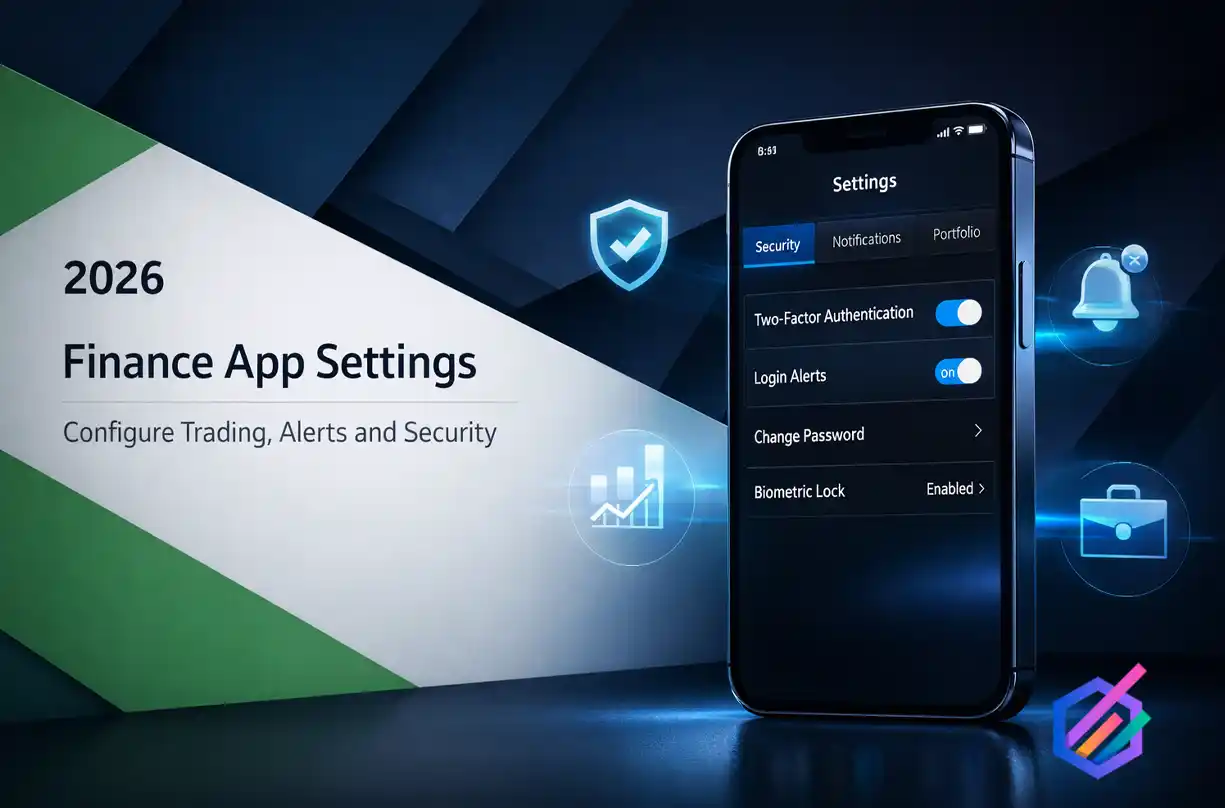
Finance apps handling sensitive data should maintain SOC 2 compliance certification . This auditing framework developed by the American Institute of Certified Public Accountants evaluates five Trust Services Criteria: security, availability, processing integrity, confidentiality, and privacy. SOC 2 Type II reports specifically assess control effectiveness over time rather than merely at a single point.
Encryption standards require 256-bit AES minimum for data at rest and TLS 1.3 for data in transit. Multi-factor authentication should be mandatory, not optional, with biometric verification (Face ID, Touch ID, fingerprint) preferred over SMS-based codes vulnerable to SIM swapping attacks.
Data aggregation services like Plaid, MX, and Finicity provide bank connectivity without storing actual login credentials . Applications using these intermediaries rather than direct credential storage demonstrate superior security architecture.
Red Flags Indicating Risk
Applications promising guaranteed investment returns or “get rich quick” functionality should trigger immediate rejection. Legitimate finance apps communicate risk transparently and never guarantee performance. Excessive permission requests, such as contact list access for a budgeting app, indicate potential data harvesting intentions.
Lack of clear company information, physical address, or customer support channels suggests fly-by-night operations. Verify that privacy policies explicitly prohibit data sale to third parties and detail retention periods. Applications without published security whitepapers or compliance certifications warrant skepticism regardless of user ratings.
2026 Fintech App Selection Framework
Choosing among hundreds of available finance apps requires systematic evaluation against personal financial circumstances and behavioral preferences.
Goal Alignment Assessment
Users seeking strict spending discipline should prioritize YNAB or Goodbudget with their envelope-based methodologies. Those preferring automated oversight with minimal intervention match better with Monarch Money or Rocket Money. Investment-focused users requiring net worth tracking should evaluate Empower or Quicken Simplifi.
Couples managing joint finances benefit from Monarch Money’s dual-login structure or Honeydue’s privacy controls. Debt elimination-focused users find YNAB’s educational resources and zero-based approach particularly effective.
Platform Compatibility Requirements
iOS-exclusive applications like Copilot Money deliver superior experiences for Apple ecosystem users but exclude Android and Windows entirely. Cross-platform availability characterizes YNAB, Monarch, and Rocket Money, enabling device flexibility. Desktop power users requiring complex reporting should consider Quicken Classic alongside mobile companions.
Pricing Value Analysis
Free tiers from EveryDollar, Goodbudget, and NerdWallet accommodate basic tracking without subscription costs. Mid-range options at $5-10 monthly including Simplifi and PocketGuard deliver automation without premium pricing. Full-service platforms at $15+ monthly (YNAB, Monarch) justify costs through comprehensive functionality and customer support quality.
Calculate break-even points based on anticipated savings generation. A $99/year budgeting subscription pays for itself if it prevents a single overdraft fee or identifies cancelable subscriptions exceeding that amount.
The Future of Finance Apps | 2026 and Beyond
The fintech application landscape will continue evolving rapidly through 2026 and subsequent years. Several emerging trends will reshape user expectations and platform capabilities.
AI-Powered Financial Management
Machine learning applications are expanding beyond transaction categorization to predictive cash flow forecasting, anomaly detection for fraud prevention, and personalized financial coaching . Natural language interfaces will enable users to query financial status conversationally rather than navigating complex dashboards. Automated optimization engines will suggest specific actions (transfer $X to savings, refinance debt at Y institution) based on real-time financial conditions.
Embedded Finance Expansion
Non-financial applications increasingly integrate financial services directly into their interfaces . E-commerce platforms offer point-of-sale lending, ride-sharing apps provide driver cash advances, and payroll systems embed automated savings tools. This trend suggests users may conduct significant financial activity without opening dedicated finance apps at all.
Regulatory Evolution
Open banking standardization will accelerate globally, with Canada’s Consumer-Driven Banking Phase 2 implementation in mid-2027 expanding data portability requirements . Consumer Data Right frameworks will grant users explicit ownership of financial data with granular control over sharing permissions. Enhanced fraud protection mandates will require stronger authentication protocols and liability clarification for unauthorized transactions.
FAQ: Finance Apps Download 2026
Are budgeting apps safe in 2026?
Major budgeting apps utilize bank-level encryption, SOC 2 compliance standards, and multi-factor authentication to protect user data . Security varies by platform, so verify specific certifications before downloading.
What is the best free finance app?
EveryDollar and Goodbudget offer capable free tiers for manual budgeting, while NerdWallet provides free automated tracking with credit monitoring .
Can multiple finance apps work together?
Yes, many users combine specialized tools such as YNAB for budgeting, Empower for investment tracking, and Rocket Money for subscription management. Open banking APIs enable data sharing between platforms .
Which apps replaced Mint after its discontinuation?
Monarch Money and Copilot Money absorbed significant portions of Mint’s user base, with both platforms offering Mint import functionality to ease transitions .
Do finance apps support cryptocurrency tracking?
CoinTracker and Delta specialize in crypto portfolio aggregation, while mainstream apps like Monarch and Empower offer limited Bitcoin and Ethereum tracking .
Are there finance apps specifically designed for couples?
Monarch Money, Honeydue, and Origin provide collaboration features enabling partners to share financial visibility while maintaining individual privacy controls .
Conclusion and Next Steps
The best finance apps download 2026 selection depends entirely on individual financial complexity, behavioral preferences, and platform ecosystems. The fintech market’s $460.76 billion valuation reflects genuine utility delivery, but not every application suits every user .
Start with a clear assessment of primary financial pain points. Users struggling with overspending benefit most from YNAB’s zero-based discipline. Those seeking comprehensive household financial management find Monarch Money’s collaboration features unmatched. Investors requiring automated portfolio management should evaluate Betterment or Wealthfront based on fee sensitivity and minimum balance capabilities.
Download two or three applications offering free trials to evaluate interface preferences and bank connectivity reliability. Most platforms provide 30-day evaluation periods sufficient for workflow assessment. Prioritize applications demonstrating SOC 2 compliance, 256-bit encryption, and transparent data policies regardless of feature appeal .
The finance apps selected today will likely serve as primary financial interfaces for years. Investment in proper evaluation pays dividends through sustained usage, improved financial outcomes, and protection against the security incidents increasingly common in the fintech sector.