

Key Takeaways
- Real estate news today signals a “Great Housing Reset” in 2026 – a prolonged normalization period where incomes are outpacing home price growth for the first time since the post-2008 recovery era.
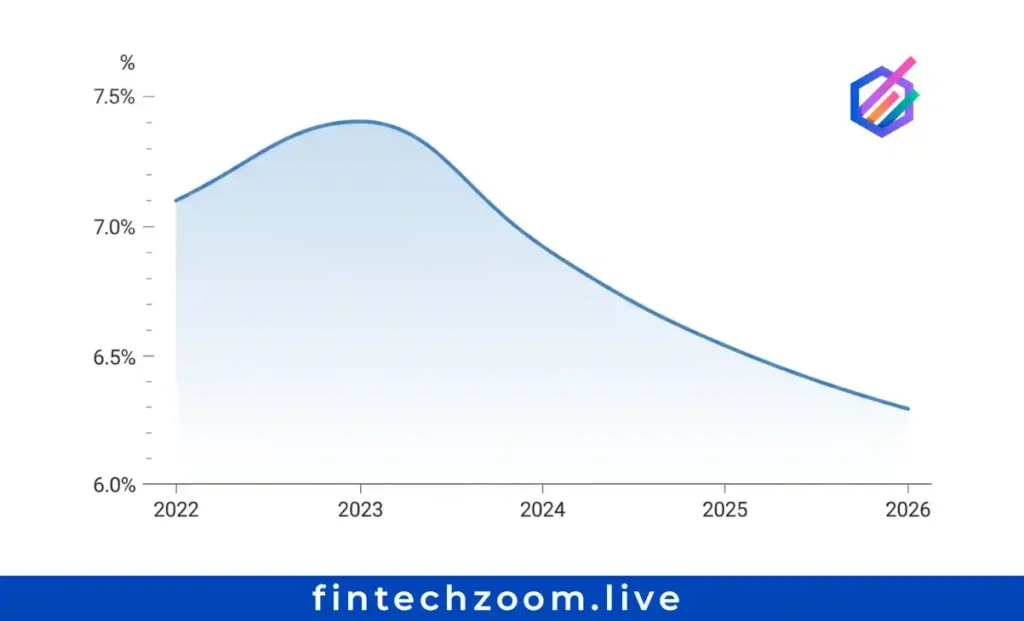
- Mortgage rates are forecast to average 6.3% in 2026, down from 6.6% in 2025, with rates unlikely to fall below 6% without a recession scenario.
- The 2026 housing market is sharply divided by geography: Northeast and Midwest markets are outperforming while Sunbelt and West markets soften under oversupply and rising insurance costs.
- Real estate tokenization has surpassed $10 billion in market value globally, allowing fractional property investment from as little as $50 via regulated blockchain platforms.
- The conventional conforming loan limit rose to $832,750 for 2026, opening conventional financing access for first-time buyers in high-cost markets previously confined to jumbo loan territory.
Introduction
Real estate news today is defined by one central market dynamic: controlled normalization. After three years of extraordinary disruption – pandemic-era price surges, the sharpest rate hikes in four decades, and a near-frozen resale market – 2026 marks the beginning of what Redfin economists have called the Great Housing Reset.
Mortgage rates have eased from their 2025 average of 6.6% to a projected 6.3% for 2026, based on consensus data from Redfin, NAR, and Realtor.com. Home prices are expected to climb between 1% and 4% nationally, depending on the forecaster. And for the first time since the aftermath of the 2008 financial crisis, wages are growing faster than home prices – a small but meaningful shift in the long-running affordability story.
What does real estate news today mean for investors, buyers, and market watchers heading into the second half of 2026? This article covers the full market picture: the housing forecast by region, where mortgage rates are headed and why, which REITs and ETFs are well-positioned, the rise of tokenized property investment, what fintech is doing to the mortgage market, and what first-time buyers need to know about updated loan limits and new access tools.
Real Estate News Today – The 2026 Housing Market at a Glance
Real estate news today tells a story of gradual recovery rather than dramatic momentum. The National Association of Realtors (NAR) has issued one of its most optimistic forecasts in years, projecting a 14% increase in existing home sales for 2026. Redfin is considerably more cautious, projecting a modest uptick alongside just 1% price growth. Between these two anchors lies the broad consensus: a market finding its footing, not a market on the move.
| Forecaster | 2026 Home Price Change | Avg Mortgage Rate | Existing Home Sales |
|---|---|---|---|
| NAR | +4% | ~6.0% | +14% |
| Redfin | +1% | 6.3% | Modest increase |
| Realtor.com | Varies by region | 6.3% | +2% to 4.13M units |
| JPMorgan | 0% | 6%+ | Gradual improvement |
| Zillow | +2-3% | Just above 6% | +4.3% to 4.3M units |
| Bright MLS | Flat to +1% | 6.15% by year-end | – |
The divergence between forecasters reflects differing assumptions about the labor market, Federal Reserve policy, and inflation persistence. As Zillow chief economist Mischa Fisher summarized, buyers and sellers both get “a bit more breathing room in 2026” – not a windfall, but a measurable improvement from the near-gridlock conditions of 2024 and 2025.
Real Estate News Today – Understanding the Great Housing Reset
What the Great Housing Reset Actually Means
Real estate news today headlines entering 2026 have been shaped by one term: the Great Housing Reset. This is not a market collapse or a rapid rebound. It describes a multi-year period during which affordability gradually improves through a combination of slower price growth, moderately declining mortgage rates, and wage increases that outpace home values.
The key mechanics underpinning the reset:
- Home price growth is expected to stay below the rate of wage growth for a sustained period – a reversal not seen since the post-2008 recovery
- Inventory is slowly improving, particularly in new construction markets where builders are actively cutting prices and offering incentives to move completed homes
- The “lock-in effect” – the reluctance of homeowners with sub-4% mortgages to sell – is gradually unwinding as job changes, family growth, and relocations force listings regardless of rate preference
- Buyer negotiating power is returning: NAR data shows the housing market is the most balanced it has been in nearly a decade, with sellers needing to be more flexible on price and terms
Why a Market Crash Is Not the Forecast
A central question in real estate news today coverage is whether 2026 will finally deliver a long-awaited price crash. Every major forecaster says no. Current homeowners carry historically high equity levels. Mortgage delinquency rates are near record lows. Most would-be sellers can wait out the market rather than absorb losses. The conditions that drove the 2008 collapse – negative equity, loose subprime lending, and over-extended borrowers – are structurally absent from today’s market.
Real Estate News Today – 2026 Mortgage Rate Outlook
Where Rates Are Actually Headed
Real estate news today data consistently points to 30-year fixed mortgage rates remaining above 6% throughout 2026. The rate averaged 6.6% in 2025 and is forecast to ease to approximately 6.3% this year – meaningful relief, but not transformative. NAR Chief Economist Lawrence Yun forecasts rates averaging closer to 6.0%, while Bright MLS projects rates ending the year at 6.15%.
The most important insight often missing from mainstream mortgage coverage: the Federal Reserve does not directly control 30-year mortgage rates. Long-term mortgage rates track the 10-year Treasury yield, which is driven by bond markets, inflation expectations, federal borrowing levels, and global capital flows. Even with additional Fed rate cuts, mortgage rates can remain elevated as long as inflation risk persists and Treasury yields stay high.
ARM Rates and Builder Buydowns – The Hidden Relief Valves
Two mechanisms are providing real affordability relief that fixed-rate headlines tend to miss.
Adjustable-Rate Mortgages (ARMs): ARM rates are expected to tick lower if the Fed continues cutting. For buyers with a 5-7 year hold horizon, ARMs offer a lower entry rate with manageable repricing risk in a market where prices are growing slowly.
Builder Buydowns: Homebuilders sitting on completed inventory are increasingly subsidizing mortgage rates by paying upfront fees to reduce buyers’ rates by 100 to 200 basis points below the prevailing market rate. These buydowns do not appear in headline mortgage statistics but represent material cost savings for new construction buyers. JPMorgan notes builders are offering buydowns of up to 200 basis points as a standard sales tool.
The Real-Dollar Impact
On a $410,800 median-priced home (the Q2 2025 federal median) with 20% down on a 30-year loan, the difference between a 6.6% rate and a 6.3% rate represents roughly $65 less per month. Add a 150-basis-point builder buydown and the savings approach $500 per month – enough to push buying back within reach for a meaningful segment of sidelined buyers.
Real Estate News Today – Regional Market Divergence
The Northeast and Midwest Are Outperforming
Real estate news today from regional markets tells a sharply different story depending on geography. The Northeast and Midwest are the clear 2026 outperformers. Cities including Hartford, CT; Rochester, NY; Worcester, MA; Columbus, OH; Indianapolis; and Kansas City are seeing strong buyer demand driven by relative affordability, proximity to major universities and employment centers, and inbound migration from more expensive coastal markets.
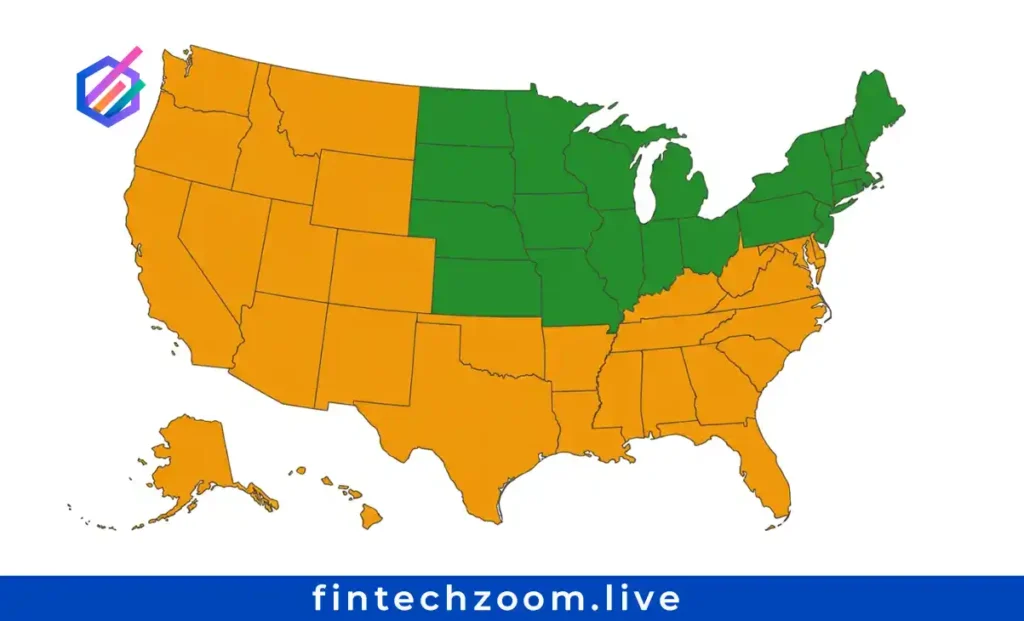
Prices in these regions are forecast to rise 3-4% in 2026, supported by tight inventory and steady labor market conditions. Realtor.com’s annual ranking of top housing markets for 2026 now skews heavily toward these regions – a sharp reversal from a year ago when the top ten were exclusively Southern and Western cities.
The Sunbelt and West Are Softening
The markets that boomed most dramatically during the pandemic years are experiencing the sharpest corrections. Realtor.com projects price declines in 22 of the 100 largest US metros in 2026, most concentrated in the Southeast and West – Austin, Tampa, Phoenix, and parts of Florida and California.
| Market Type | Key Cities | 2026 Price Forecast | Primary Driver |
|---|---|---|---|
| Rising | Hartford, Rochester, Worcester | +3% to +4% | Tight inventory, wage growth |
| Rising | Columbus, Indianapolis, Kansas City | +3% to +4% | University proximity, affordability |
| Softening | Austin, Tampa | -1% to -3% | Oversupply, insurance cost surge |
| Softening | Phoenix, Boise | -1% to -2% | Post-pandemic demand normalization |
The underlying causes of Sunbelt softening: construction surges from 2021-2022 have created inventory overhangs, pandemic-era migration inflows have slowed as remote-work norms stabilize, and rising insurance costs – particularly flood, hurricane, and wildfire coverage – are compressing the affordability advantage these markets once held over coastal metros.
Real Estate News Today – First-Time Buyers in 2026
The New Conforming Loan Limit Changes the Math
One of the most actionable developments in real estate news today for first-time buyers is the 2026 increase in the conventional conforming loan limit to $832,750. This expansion allows buyers in high-cost markets to access conventional financing – requiring as little as 3% down – for homes that previously required jumbo loans with stricter qualifications and higher rates.
For buyers in the Boston, Hartford, or Seattle metro areas, this single policy change opens up a meaningful tier of inventory that was previously beyond conventional financing reach.
The Affordability Reality for Gen Z
The affordability math for Gen Z buyers remains genuinely difficult. Home prices have surged approximately 50% since 2020. Incomes over the same period have risen roughly 29%. John Burns Research and Consulting data shows mortgage payments have jumped 82% over five years while income grew only 26%.
The downstream effects on household formation are real:
- More adult children are living with parents well into their 20s
- Co-purchasing arrangements between friends – often with formal co-ownership agreements – are rising
- Multigenerational renovation is among the fastest-growing segments of the home improvement market
- Family formation is being delayed as housing costs crowd out other life milestones
Practical Strategies for First-Time Buyers in 2026
Real estate news today analysis points to several actionable pathways for buyers who want to act in 2026 rather than wait for conditions that may not materialize soon.
- Target new construction where builder buydowns can reduce the effective mortgage rate by 1-2 percentage points below prevailing market rates
- Consider ARM products for 5-7 year ownership horizons, particularly in markets where price growth is forecast to stay flat or negative
- Focus searches on Midwest and mid-sized Northeast metros where price-to-income ratios are more manageable
- Get pre-approved under the new $832,750 conforming limit before shopping in high-cost markets
- Research state-level down payment assistance programs, many of which have been expanded in direct response to housing affordability pressure from policymakers across both parties
Real Estate News Today – REITs and Real Estate ETFs
Best REIT Sectors for 2026
Real estate news today investment analysis consistently highlights the REIT sector as one of the more accessible paths to real estate exposure in a persistently high-rate environment. When mortgage rates exceed 6%, the cost of debt-financed direct property investment rises sharply. REITs, by contrast, are institutional-scale borrowers with access to lower-cost capital, diversified portfolios, and a legal structure that mandates distribution of at least 90% of taxable income to shareholders.
Not all REIT sectors are equally positioned for 2026:
Favored sectors:
- Residential REITs: Rising rents forecast at 2-3% year-over-year by end of 2026 support net operating income. Apartment construction has slowed from its 2021-2022 peak, tightening supply.
- Industrial REITs: E-commerce logistics and reshoring of manufacturing sustain structural demand. Prologis (PLD) remains the sector bellwether.
- Data Center REITs: AI infrastructure buildout is a multi-year structural tailwind. Equinix (EQIX) and Digital Realty (DLR) are the dominant publicly traded names.
Challenged sectors:
- Office REITs: Hybrid and remote work continues to suppress occupancy. Office-to-residential conversion plays carry execution and financing risk.
- Retail REITs: Highly selective. Mall-adjacent formats continue to struggle against e-commerce headwinds.
Best Real Estate ETFs for 2026
| ETF | Ticker | Focus | Expense Ratio |
|---|---|---|---|
| Vanguard Real Estate ETF | VNQ | Broad US REITs | 0.12% |
| Schwab US REIT ETF | SCHH | Broad US REITs | 0.07% |
| iShares Global REIT ETF | REET | Global REITs | 0.14% |
| Pacer Benchmark Data & Infrastructure | SRVR | Data Centers + Towers | 0.60% |
| Real Estate Select Sector SPDR | XLRE | S&P 500 REITs | 0.09% |
Data reflects publicly available information. Verify current holdings, performance, and expense ratios directly with fund providers before making any investment decisions.
Real Estate News Today – The Rise of Real Estate Tokenization
What Tokenization Is and Why It Matters
Real estate news today coverage increasingly features a story that would have seemed experimental just two years ago: blockchain-based tokenization of physical property. Tokenization converts ownership rights in a property into digital tokens on a blockchain network, with each token representing a fractional stake in the asset. Investors can buy, sell, and trade these tokens around the clock on regulated digital exchanges – a capability traditional real estate has never offered.
In 2025, tokenized real estate assets surpassed $10 billion in total global value. Projections for 2026 and beyond forecast rapid expansion driven by three forces: regulatory clarity through the GENIUS Act stablecoin framework and the anticipated Clarity Act; deeper institutional participation from BlackRock, Franklin Templeton, and JPMorgan; and growing integration with decentralized finance (DeFi) protocols that add liquidity and yield optimization.

How the Tokenization Process Works
- A property owner or developer partners with a tokenization platform
- The property is valued, legally structured, and a defined number of tokens is issued on a blockchain – Ethereum, Hedera, and XRP Ledger are common choices
- Investors purchase tokens representing fractional ownership stakes, often starting below $100
- Rental income is distributed to token holders automatically via smart contracts – often weekly or daily rather than quarterly
- Token holders can trade positions on secondary markets at any time, 24 hours a day
REIT vs. Tokenized Real Estate – What Real Estate News Today Investors Are Asking
Real estate news today readers increasingly want a side-by-side comparison of publicly traded REITs and tokenized property. The honest answer is that both have a role in a diversified real estate strategy.
| Feature | Public REIT | Tokenized Real Estate |
|---|---|---|
| Minimum Investment | Under $1 via ETF | $50-$5,000+ |
| Trading Hours | Stock market hours | 24/7 secondary market |
| Income Distribution | Quarterly dividends | Weekly or daily via smart contract |
| Asset Exposure | Portfolio of properties | Specific individual property |
| Regulatory Maturity | Decades of established history | Emerging – SEC/FCA oversight evolving |
| Data Transparency | SEC-filed quarterly reports | On-chain, real-time data |
REITs offer deeper liquidity and regulatory maturity. Tokenized real estate offers specific asset exposure, lower minimums, and continuous trading. For investors comfortable with the regulatory learning curve, tokenization is an emerging complement – not a replacement – for traditional REIT exposure.
Leading Tokenization Platforms in 2026
- RealT: Ethereum-based, investment entry from approximately $50, daily stablecoin rental income distribution
- Propy: On-chain deed recording, over $4 billion in transactions facilitated as of 2025, reducing fraud risk and closing timelines
- tZERO: SEC-compliant ATS for accredited investors, $200M+ in commercial real estate tokenizations completed
- Zoniqx: Institutional-grade ERC-7518 compliance, white-label structuring for asset managers
Real Estate News Today – Fintech and the Future of Mortgages
AI Is Rebuilding the Mortgage Pipeline
Real estate news today fintech coverage points to a fundamental shift in how mortgages are originated and serviced. What was once a weeks-long, paper-intensive process is being compressed by AI-driven platforms into near-real-time decisions.
Key changes already live in the market:
- AI credit scoring analyzes non-traditional data including rent payment history, utility records, and cash flow patterns – expanding credit access for buyers with thin traditional credit files
- Automated valuation tools use satellite imagery, permit data, and rental comparable databases to generate real-time property fair-value scores, reducing appraisal timelines
- Digital-first lenders are cutting origination costs and processing times, passing some savings through to borrowers in the form of lower fees
Platforms Reshaping the Mortgage Market in 2026
- Rocket Mortgage: AI-powered pre-approval and document processing pipeline, capable of same-day conditional approvals in qualifying scenarios
- Better.com: Fully digital underwriting with instant offers in qualifying markets
- Figure Technologies: Blockchain-based home equity line origination using on-chain identity and title verification
- Blend: Backend infrastructure powering digital mortgage products for major US banks including Wells Fargo and US Bank
Blockchain in Property Transactions
Beyond tokenization, blockchain is being applied to the core mechanics of real estate deals. Smart contracts automate escrow releases when predefined conditions are satisfied. On-chain deed recording reduces title fraud risk and accelerates closing timelines. Dubai’s Land Department completed Phase 2 of its government-backed blockchain property registry in 2026, placing properties on the XRP Ledger – the first sovereign integration of a national land registry with regulated blockchain capital markets infrastructure.
Real Estate News Today – Rental Market Update 2026
Rents Are Tightening Again
Real estate news today rental data shows the market tightening after a post-pandemic moderation period. Redfin forecasts rent growth of 2-3% year-over-year by end of 2026, roughly in line with broader inflation. The driver is supply-side: apartment construction has slowed sharply from its 2021-2022 peak, meaning fewer new units are entering the market just as sidelined homebuyers are adding sustained pressure to rental demand.
Where Rental Pressure Is Strongest
- Northeast metros where for-sale inventory is tightest and new construction is constrained by regulatory barriers and land costs
- Midwest cities experiencing net migration inflows from pricier coastal markets, where renters arrive with comparatively higher income but face the same local supply constraints
- Tech employment hubs where white-collar hiring has stabilized after the 2023-2024 correction, supporting rental demand from younger workers not yet positioned to buy
Rent vs. Buy in 2026
Real estate news today rental analysis shows that at a 6.3% mortgage rate, the monthly cost of buying a median-priced home exceeds the cost of renting in the majority of US metros on a cash-flow basis. The equation shifts over a 7-10 year hold horizon when equity accumulation, inflation protection, and tax deductions are factored in. For buyers with stable income and a long-term local commitment, ownership in 2026 still makes fundamental financial sense despite the short-term cost premium over renting.
Real Estate News Today – Commercial Real Estate in 2026
Two Stories Define the Sector
Real estate news today commercial coverage is shaped by two parallel narratives: the ongoing office market adjustment and the emergence of data centers as the sector’s strongest-performing asset class.
Office vacancy rates in major US central business districts remain at levels not seen since the early 1990s. Cities including New York, Chicago, and Washington DC have introduced zoning reforms and tax incentives to accelerate office-to-residential conversion projects. These conversions address two structural problems at once: reducing the overhang of underused commercial space while adding urgently needed residential inventory in urban cores.
Data Centers – The Structural Winner
The AI infrastructure buildout is creating unprecedented demand for data center capacity across the US and globally. Data center REITs led by Equinix (EQIX) and Digital Realty (DLR) are among the strongest-performing commercial real estate subsectors in 2026. This is a structural demand story driven by AI compute requirements, cloud migration, and 5G infrastructure expansion – a multi-year tailwind that is expected to persist well beyond the current market cycle.
Property Tax Risk in Sunbelt Markets
Real estate news today commercial investors are pricing in a risk that residential buyers often overlook: the combined weight of property taxes and insurance costs in Sun Belt markets. In Florida and Texas, the combination of property tax rates, HOA fees, flood coverage, and hurricane or wind insurance can add $500-$1,500 per month to the true cost of property ownership – directly compressing net operating income for landlords and reducing effective returns relative to headline cap rates.
Real Estate News Today – How to Build Real Estate Exposure in 2026
Investment Options Ranked by Accessibility
Real estate news today analysis covers a broad spectrum of investment pathways, from passive ETF exposure to direct property ownership. The right entry point depends on capital available, liquidity needs, time horizon, and management appetite.
| Strategy | Min. Capital | Liquidity | Complexity | Best For |
|---|---|---|---|---|
| Real Estate ETFs | Under $100 | High | Low | Passive investors |
| Public REITs | Under $100 | High | Low | Income-focused investors |
| Real Estate Tokenization | $50-$5,000 | Medium (24/7) | Medium | Tech-forward investors |
| Real Estate Crowdfunding | $1,000-$10,000 | Low-Medium | Medium | Semi-accredited investors |
| Direct Rental Property | $50,000+ down payment | Very Low | High | Active investors |
| Commercial Real Estate PE | $100,000+ | Very Low | Very High | Institutional/HNW investors |
Real Estate Crowdfunding in 2026
Among the options tracked in real estate news today, crowdfunding platforms have grown into a practical middle ground between passive REITs and active property ownership. Fundrise, CrowdStreet, and EquityMultiple allow retail and accredited investors to participate in commercial and residential deals without direct management responsibilities. Key factors to evaluate before committing capital:
- Minimum investments range from $10 on Fundrise to $25,000+ on institutional platforms
- Most positions require a 3-5 year hold with limited early exit options
- Returns vary meaningfully by deal type, market, and the quality of platform underwriting
- Always review the platform’s track record, fee structure, and underlying deal documentation in detail
The Bottom Line
Real estate news today points to a 2026 market defined by three forces: moderation, divergence, and disruption. Moderation, because home prices and mortgage rates are both moving in a more buyer-friendly direction – slowly but measurably. Divergence, because geography now determines almost everything: the Northeast and Midwest are gaining while Sunbelt markets give back pandemic-era excess. Disruption, because fintech is changing how properties are bought, financed, and owned at every level – from AI-driven mortgage approvals to blockchain-based fractional ownership starting at $50.
For investors monitoring real estate news today closely, the strategic priorities for 2026 are clear: REIT and ETF exposure offers income and equity in a market too expensive for many direct buyers. Tokenized real estate offers an emerging alternative for investors comfortable with a newer regulatory framework. Direct buyers – particularly first-timers – should pay close attention to the new $832,750 conforming loan limit, builder buydown opportunities, and the regional divergence story that separates strong markets from oversupplied ones.
The housing market is not fixed. But the structural forces behind the Great Housing Reset – rising incomes relative to home prices, improving inventory, and fintech-driven access to property investment – are all pointing in the right direction for 2026 and the years ahead.
Frequently Asked Questions
Q1: What is real estate news today showing about 2026 home prices?
Real estate news today reflects a divided forecast. NAR projects a 4% national price increase. Redfin forecasts a more modest 1% gain. JPMorgan sees prices stalling near 0% nationally. The consensus: slow, modest growth in most markets with selective declines in previously overheated Sunbelt metros.
Q2: Will mortgage rates fall below 6% in 2026?
Most major forecasters do not expect 30-year fixed mortgage rates to fall meaningfully below 6% in 2026. Rates are projected to average 6.1-6.3%, down from 6.6% in 2025. A recession scenario could accelerate declines, but that remains a minority forecast among housing economists.
Q3: What is the Great Housing Reset?
The Great Housing Reset is a term coined by Redfin to describe the 2026 housing market: a prolonged normalization period in which incomes rise faster than home prices, inventory slowly improves, and the market rebalances toward buyers – but homeownership remains out of reach for many in the short term.
Q4: What is real estate tokenization and how does it work?
Real estate tokenization converts property ownership rights into blockchain-based digital tokens, allowing investors to buy fractional shares of individual properties. Platforms like RealT, Propy, and tZERO enable investment from as little as $50. Rental income is distributed automatically via smart contracts, and tokens can be traded 24/7 on secondary markets.
Q5: What is the difference between REITs and tokenized real estate?
REITs are pooled investment vehicles holding property portfolios, traded on stock exchanges during market hours, with quarterly dividend distributions. Tokenized real estate gives investors fractional exposure to specific individual properties with 24/7 trading and often weekly or daily income via smart contracts. REITs offer deeper liquidity; tokenized real estate offers more transparency and lower minimums.
Q6: What are the best real estate ETFs for 2026?
The most widely cited options include VNQ (Vanguard Real Estate ETF, 0.12% expense ratio) for broad US REIT exposure, SCHH (Schwab US REIT ETF, 0.07%) for low-cost diversification, XLRE (Real Estate Select Sector SPDR, 0.09%) for S&P 500 REIT exposure, and SRVR (Pacer Benchmark Data & Infrastructure ETF) for targeted data center and cell tower REIT exposure. Verify current holdings and performance before investing.
Q7: Is 2026 a good time to buy a house?
Whether 2026 is a good time to buy depends on individual circumstances – income stability, time horizon, location, and local market conditions. The market is more balanced than in recent years: more inventory, slightly lower rates than 2025, and better negotiating room for buyers in softer markets. For long-term buyers in the Midwest and Northeast with stable employment, 2026 presents genuine opportunity.
Q8: What is the 2026 conventional loan limit for first-time buyers?
The conventional conforming loan limit was raised to $832,750 for 2026. With a 3% minimum down payment for conventional financing, this allows first-time buyers to access conforming loan rates for homes previously requiring jumbo financing – a material expansion of affordability access in high-cost markets.
Risk Disclaimer
The content in this article is for informational purposes only and does not constitute financial, investment, or legal advice. Real estate markets are subject to rapid change. Past performance of REITs, ETFs, and tokenized assets does not guarantee future results. Tokenized real estate is an emerging asset class carrying unique risks including regulatory uncertainty, limited liquidity, and platform risk. Always consult a licensed financial advisor before making investment decisions.