Last revised: November 13, 2026 · By the FintechZoom Markets Desk, reviewed under our editorial policy
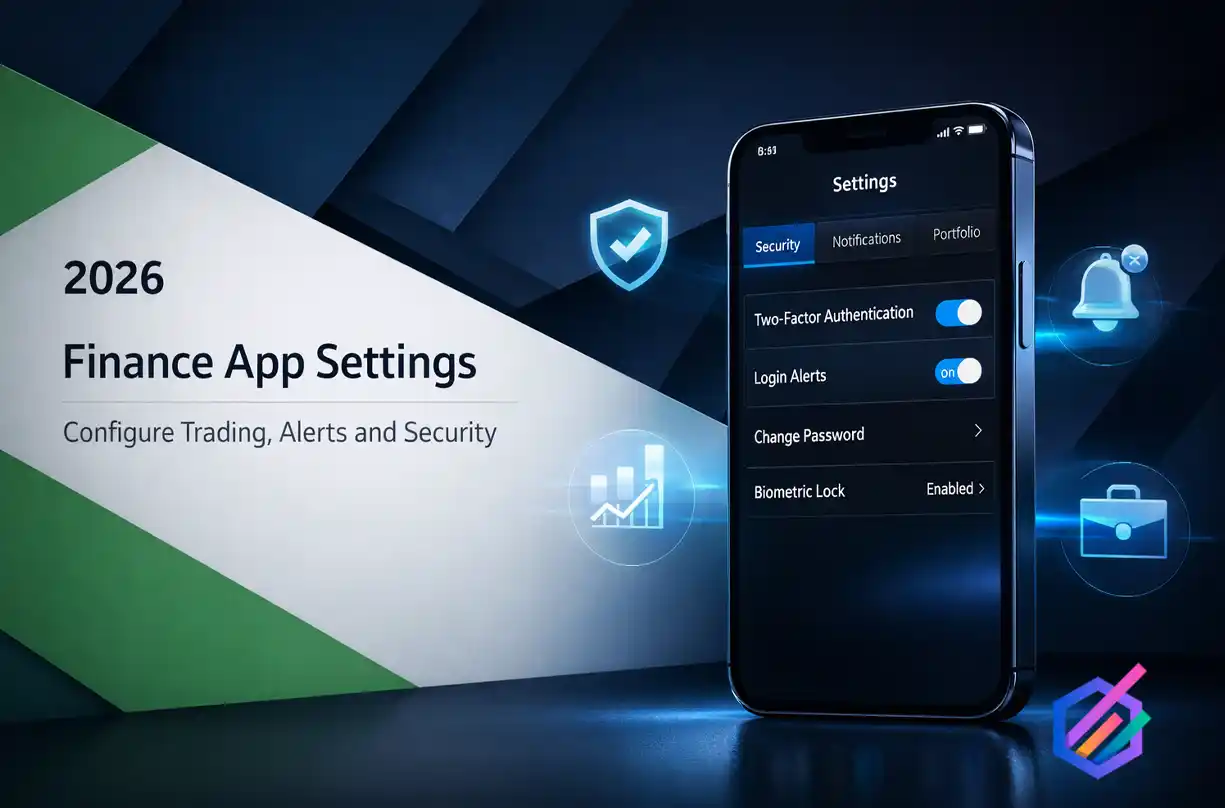
This finance app settings guide covers the settings in banking, brokerage and investing apps that decide how hard your account is to take over and how fast you hear about a problem. The US standard has moved: NIST SP 800-63B-4, published July 31, 2025, says a service at its middle assurance level must offer at least one phishing-resistant sign-in option, and it allows synced passkeys at that level (NIST SP 800-63B-4). FINRA, in an April 7, 2026 investor article on account takeovers, tells brokerage customers to turn on multifactor authentication and account alerts (FINRA).
Sign-in data from large consumer companies, PayPal among them, supports the case for passkeys for banking apps and other services. In the FIDO Alliance Passkey Index released October 14, 2025, passkey sign-ins at nine large companies succeeded 93 percent of the time against 63 percent for other methods (FIDO Alliance).
The guide below sorts the settings by what they protect, gives the regulator or standard behind each one, and leaves out app rankings. For app picks, see our separate best finance apps for 2026 list; for the industry side of fraud and security, see fintech cybersecurity trends 2026.
Finance app security settings checklist: ten changes to make first
Menu names differ between apps. Most put these options under Settings, then Security, Notifications or Privacy. The order below starts with the settings that block account takeovers.
| Setting | What to choose | Basis |
|---|---|---|
| Sign-in method | Passkey or security key if offered; otherwise an authenticator app | NIST SP 800-63B-4; FTC; CISA |
| SMS codes | Keep only as a backup, and remove if a stronger option is set up | FTC warns texts can be redirected by SIM swaps |
| Recovery codes | Save offline, away from the phone | Losing the second factor can lock you out |
| Mobile carrier lock | Turn on the free SIM change and port-out lock with your carrier | FCC rules adopted November 15, 2023 |
| Security alerts | On for logins, new devices, password and contact changes, withdrawals | FINRA, April 7, 2026 |
| Transaction alerts | On for transfers and card use above a threshold you pick | Fast reporting limits losses under Regulation E |
| Trusted contact | Add one at each brokerage account | FINRA trusted contact bulletin, August 25, 2025 |
| Connected apps | Review and revoke data access you no longer use | CFPB open banking rule under reconsideration |
| Marketing and data sharing | Read the privacy notice and use the opt-outs it lists | Gramm-Leach-Bliley Act privacy notices |
| Trading defaults | Check default order type, extended hours, margin and cost basis method | Broker settings; see section below |
Passkeys for banking apps, authenticator apps and SMS codes
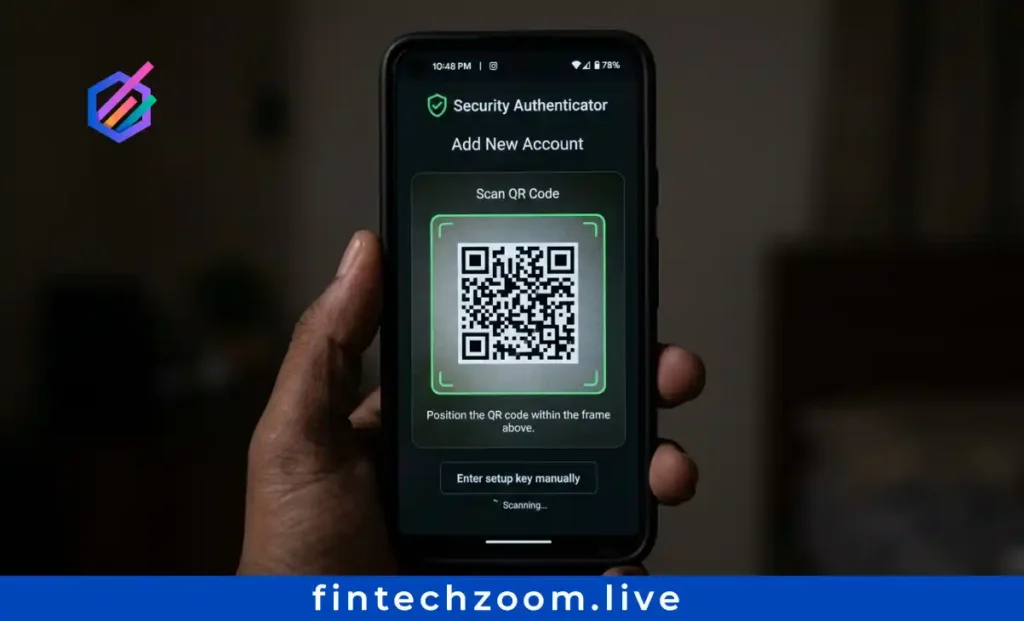
US agencies give similar advice on second factors. The FTC calls security keys the strongest form of two-factor authentication, says authenticator apps are safer than text codes because they are not exposed to SIM swaps, and describes texted codes as better than nothing (FTC consumer advice). CISA says FIDO authentication is the only widely available phishing-resistant method and blocks a login when a user is tricked into a fake site (CISA).
NIST SP 800-63B-4 sets the technical rules that many US firms follow. It treats one-time codes sent over the phone network as a restricted method, which means a service using them must also make other authenticator types available. It also says a service at assurance level 2 shall offer at least one phishing-resistant option, and it permits syncable authenticators, the technical name for passkeys stored in a password manager or phone account, at that level (NIST CSRC). The standard binds federal systems and sets a benchmark for others; a brokerage or bank is free to choose its own methods.
How to set up a passkey or authenticator app
- Open the app on a phone with a screen lock, then go to Settings and the Security or Login section.
- If a passkey option appears, create one. Your phone or password manager stores it, and you approve each sign-in with your fingerprint, face or device PIN.
- If there is no passkey option, choose authenticator app, scan the QR code and enter the six-digit code to confirm.
- Save the recovery or backup codes somewhere offline, such as a printed copy kept at home.
- Remove SMS as the default second factor if the app lets you, or leave it only as a backup.
- Sign out and back in once to confirm the new method works before you close the settings page.
Phone-number takeovers are a common route into financial accounts that still rely on texted codes. FINRA lists a sudden loss of mobile service as a warning sign, especially when SMS is the second factor (FINRA). FCC rules adopted November 15, 2023 require US wireless carriers to offer every customer a free option to lock the account against SIM changes and number transfers, and to notify customers before such a change is made (Federal Register). Turning that lock on with your carrier is a settings change outside the finance app that protects it.
Also read
Our stock market platforms review compares broker fees, account types and order tools.
Investment app notification settings that catch fraud early
FINRA recommends text, email or app alerts for account changes, transactions and large or out-of-state purchases, so unauthorized activity shows up quickly (FINRA). In practice that means two groups of alerts with different routing.
- Security alerts: new sign-ins, new devices, password or email changes, phone number changes, new bank links and withdrawal requests. Send these to both push and email so one compromised channel does not hide them.
- Money movement alerts: transfers out, card transactions above a set amount and failed payment attempts. Pick a threshold low enough that a test charge by a fraudster would trigger it.
- Trading alerts: order fills, cancellations and margin calls. Keep these on for any brokerage account.
- Market alerts: price or percentage moves on a watchlist. These are optional; a short list is easier to act on than dozens of pings a day.
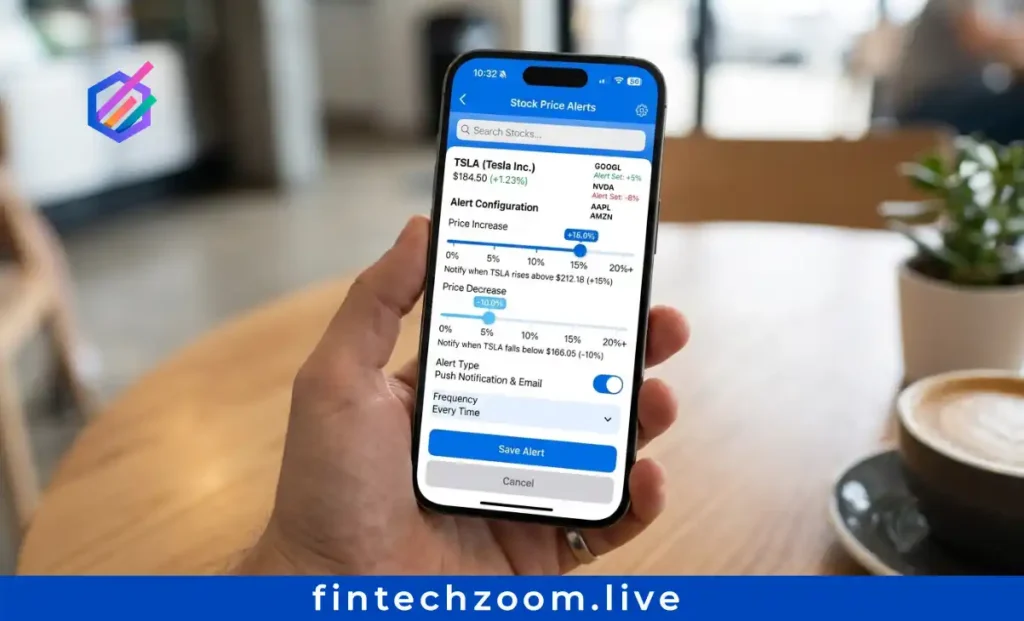
Fast alerts also matter for bank accounts because US law ties your liability to how quickly you report. Under Regulation E, if you report a lost or stolen card or access device within two business days of learning of it, your liability for unauthorized transfers is capped at the lesser of $50 or the amount taken.
Late notice can raise the cap to $500, and an unauthorized transfer that appears on a statement must be reported within 60 days of that statement being sent to avoid liability for later transfers (CFPB, 12 CFR 1005.6). Brokerage accounts follow different rules, so read your broker account agreement for its own fraud terms.
Recovery settings and a trusted contact
Check that the email address and phone number on file are ones you still control, because these are the recovery routes for every other setting. FINRA also asks brokerage customers to add a trusted contact person, someone 18 or older whom the firm may call if it cannot reach you, suspects fraud or financial exploitation, or has concerns about your health. A trusted contact cannot see balances, place trades or make decisions on the account (FINRA). Most brokers place the option under Profile or Account settings.
Privacy and data-sharing settings in finance apps
US banks and brokers send privacy notices that explain what they share and which sharing you can opt out of under the Gramm-Leach-Bliley Act. Federal law lets you stop some affiliate sharing of credit information but not all sharing of transaction data, and California adds its own rules for residents (California Attorney General). The opt-out choices listed in the notice are often handled in the app under Privacy, Legal or Communication preferences.
Connected apps are the other half of privacy. Budgeting and tax tools usually reach your bank or broker through a data aggregator, and each link stays active until you revoke it. The CFPB finalized its personal financial data rights rule under Section 1033 in October 2024, which would give consumers a formal right to share and revoke account data.
As of April 9, 2026 a federal court in the Eastern District of Kentucky had barred the CFPB from enforcing it (Cozen O’Connor), and on August 6, 2026 the CFPB sent a reconsideration proposal to the White House regulatory office for review (Ballard Spahr Consumer Finance Monitor). Until that settles, the access controls are whatever your bank and the aggregator provide, so review the connected apps list in each app and remove tools you no longer use.
In the EU, the third Payment Services Directive (PSD3) and the new Payment Services Regulation (PSR) are close to final. The Council of the EU confirmed on October 29, 2026 that it had adopted both texts at first reading, and the next step is a European Parliament plenary vote (Regulation Tomorrow). Application dates will follow publication in the Official Journal, so EU users should not expect app changes from it in 2026.
If a broker or investment adviser does suffer a breach, US rules give you a deadline to watch. Amendments to SEC Regulation S-P adopted May 16, 2024 require broker-dealers, investment advisers and other covered firms to notify affected individuals as soon as practicable and no later than 30 days after becoming aware of unauthorized access to sensitive customer information (SEC).
Trading app defaults: orders, margin and cost basis
These settings decide what happens when you tap Buy or Sell. They are worth checking once when you open an account.
- Default order type: a market order fills at the next available price; a limit order sets the worst price you accept but may not fill. Choose the default you understand.
- Extended-hours trading: pre-market and after-hours sessions usually have fewer buyers and sellers and wider spreads. Leave this off unless you plan to use it.
- Margin: a margin account lets you borrow against holdings and can lead to forced sales. If you do not intend to borrow, ask for a cash account or switch margin off.
- Options and crypto permissions: request these only if you plan to use them, since each adds new risks and settings.
- Dividend reinvestment: each reinvested payout buys a new tax lot, which adds records to track.
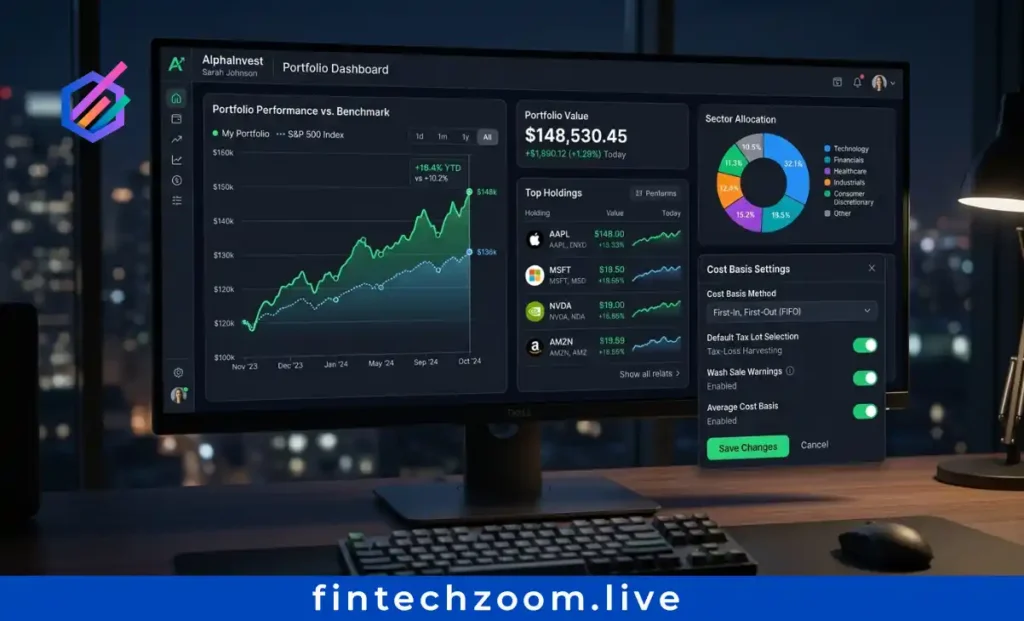
Cost basis method decides which shares a broker treats as sold, which changes the gain you report. At Charles Schwab, for example, first-in, first-out is the default for most securities, and accounts opened from October 2024 also use it for mutual funds that previously defaulted to average cost; customers can change the method per account in Account Settings or pick specific lots on each sell order (Charles Schwab). Other brokers set their own defaults, so check yours before the first sale and ask a tax adviser which method suits you.
API keys and third-party trading tools
Some brokers and crypto exchanges let you create API keys for portfolio trackers, tax software or trading scripts. A key works like a password that skips your second factor, so treat it that way:
- Give each tool its own key with the narrowest permission it needs. A tracker needs read-only access, not trading or withdrawal rights.
- Use the IP address allow list if the platform offers one.
- Set an expiry date where available and delete keys for tools you stop using.
- Never paste a key into a chat, email or shared spreadsheet.
From our desk: what we found checking this update
The April 13, 2026 edition of this guide quoted a vendor blog for a 99.9 percent attack-blocking figure and a $20 billion multifactor authentication market figure; we could not trace either to a primary source and removed both.
It also said SMS codes had been downgraded to limited use; the NIST text uses the term restricted and requires services that use phone codes to offer other options, which is how this edition describes it. A paragraph saying a doubled volume alert often comes before a large intraday move had no source and read as a trading signal, so it is gone. Two of the images show made-up ticker prices and portfolio values; they are labelled as mockups in this edition. Schwab’s cost basis page says its fund default changed for accounts opened from October 2024, a detail the old guide missed.
Finance app settings guide FAQs
What is the safest sign-in setting for a banking or investing app?
A passkey or a hardware security key is the strongest common option because it is phishing resistant. If the app does not offer either, use an authenticator app. The FTC describes security keys as the strongest form of two-factor authentication and says authenticator apps are safer than text message codes.
Are SMS codes still safe for finance apps?
They are better than a password alone but weaker than other methods because a SIM swap can redirect your texts. NIST SP 800-63B-4 treats phone-network codes as a restricted method and says services that use them must offer alternatives. Keep SMS as a backup only, and turn on the free SIM lock your mobile carrier must offer under FCC rules.
What is a passkey and how does it work in a finance app?
A passkey is a sign-in credential stored on your phone, computer or password manager. You approve the login with your fingerprint, face or device PIN, and the passkey only works on the real website or app it was made for, which blocks fake login pages. NIST allows synced passkeys at its middle assurance level.
Which notifications should I turn on in a brokerage app?
Turn on alerts for new sign-ins and devices, password and contact detail changes, new bank links, withdrawals, transfers and order fills. FINRA recommends alerts for account changes and transactions so unauthorized activity is noticed quickly. Price alerts on a watchlist are optional.
What is a trusted contact person on a brokerage account?
It is someone aged 18 or over that your broker may contact if it cannot reach you, suspects fraud or exploitation, or has concerns about your health. The trusted contact cannot see balances, place trades or make decisions on the account. FINRA encourages investors to add one.
How fast do I need to report fraud on my bank account?
Under Regulation E, reporting a lost or stolen card or access device within two business days of learning of it caps your liability at 50 dollars or the amount taken, whichever is less. Later reporting can raise the cap to 500 dollars, and an unauthorized transfer shown on a statement should be reported within 60 days of that statement.
Should I disconnect budgeting apps from my bank account?
Remove any connection you no longer use. Each link to a budgeting or tax tool keeps sharing data until revoked. The CFPB open banking rule that would formalise your right to revoke access was blocked by a federal court and was under reconsideration as of August 2026, so the controls in your bank app and the aggregator are what you have.
Does my broker have to tell me about a data breach?
Under amendments to SEC Regulation S-P adopted on May 16, 2024, broker-dealers, investment advisers and other covered firms must notify affected individuals as soon as practicable and no later than 30 days after becoming aware of unauthorized access to sensitive customer information.
How we report on finance app settings: we check each recommendation against the regulator or standards body that issued it (NIST, FTC, CISA, FINRA, the SEC, the CFPB, the FCC and EU institutions) and link the page we read. We do not rank apps in this guide, take payment for mentions or test accounts at the providers named. Menu names and options change with app updates, so treat the steps as a guide to what to look for.
Revision history: November 13, 2026, full rewrite with updated NIST, FINRA, FCC, CFPB, SEC and EU payments rules, unsourced statistics removed, a settings checklist and FAQ added. Previous edition: April 13, 2026.
Related: Best finance apps for 2026 · Fintech cybersecurity trends 2026 · Fintech regulation news 2026 · Stock market platforms review · Stock trading for beginners · Cryptocurrencies · Blog
This guide is general information, not financial, legal, tax or security advice for your situation. Check settings and terms with your own bank or broker. See our disclaimer.
Sources: NIST SP 800-63B-4 publication page · NIST SP 800-63B-4 full text · FTC: Use two-factor authentication · CISA: More than a password · FIDO Alliance Passkey Index, October 14, 2025 · FINRA: Customer account takeovers · FINRA: Trusted contact · FCC SIM swap and port-out rules, Federal Register · CFPB Regulation E, 12 CFR 1005.6 · SEC Regulation S-P amendments · Cozen O’Connor on Section 1033 · Ballard Spahr Consumer Finance Monitor on Section 1033 · Regulation Tomorrow on PSD3 and PSR · California Attorney General: financial privacy rights · Charles Schwab: cost basis